
Understanding the Role of Police Barriers in Event Security
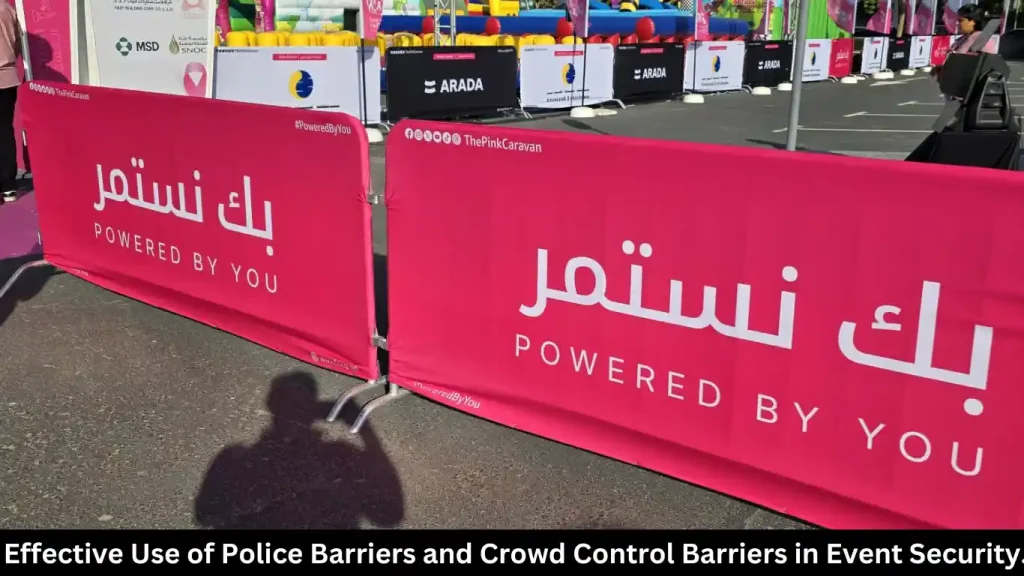
In the world of event security, the implementation of police barriers serves as a fundamental component in maintaining order and ensuring public safety. These structures, such as police barriers and crowd control barriers, play a pivotal role in managing large gatherings by delineating spaces and guiding the flow of attendees.
A police barrier is typically deployed to establish clear boundaries and prevent unauthorized access to restricted areas, enhancing perimeter security. By creating physical demarcations, these barriers act as deterrents against potential breaches and enable security personnel to monitor entry points more effectively.
Crowd control barriers are equally essential in managing the dynamics of large crowds. They facilitate an organized movement of people, preventing overcrowding and reducing the risk of accidents or incidents that may arise from uncontrolled mass gatherings. By strategically placing these barriers throughout an event venue, organizers can ensure that attendees move safely between different sections without causing disruption.
The use of such barriers is not merely about restriction, but rather about creating a secure environment where public safety is prioritized. In this way, they contribute significantly to the overall success of an event by allowing for both efficient management and a positive experience for all involved.
The Importance of Police and Crowd Control Barriers in Managing Large Gatherings
In the realm of public event safety, the deployment of police and crowd control barriers plays a pivotal role in ensuring the orderly management of large gatherings. These barriers serve as essential tools in crowd management strategies, facilitating both the protection of attendees and the maintenance of public order.
The effectiveness of a police barrier lies in its ability to create defined perimeters, guiding crowds in a manner that prevents congestion and potential hazards. By establishing clear boundaries, these barriers help to manage pedestrian flow and reduce the risk of accidents or altercations. This is particularly crucial during high-profile events where large numbers are anticipated, necessitating meticulous planning and execution.
Crowd control barriers are equally indispensable in event security. They provide an additional layer of safety by delineating spaces for different purposes—be it entry points, exit routes, or restricted areas within an event venue. This strategic placement not only enhances security but also ensures that emergency services can access necessary locations without hindrance.
Ultimately, the integration of police and crowd control barriers into public event planning underscores their importance as fundamental components in safeguarding participants while upholding orderliness throughout such occasions. As gatherings continue to grow in size and complexity, these tools will remain integral to effective crowd management strategies across various settings.
Case Study Overview: Successful Implementation of Police Barriers at Major Events
One notable event management success story is the police barriers deployment during a high-profile music festivals. The organizers faced the challenge of managing tens of thousands of attendees while maintaining security and accessibility. Through meticulous planning and collaboration with local authorities, including the police, a comprehensive barrier system was established. This included strategically placed police barriers at entry points to facilitate orderly ingress and egress, as well as crowd control barriers throughout the venue to guide pedestrian flow.
The outcome was exemplary; not only were potential security threats mitigated, but attendees also reported a seamless experience with minimal congestion. This serves as an informative case study for future events, illustrating how effective barrier deployment can enhance safety without compromising attendee enjoyment.
Such real-world examples underscore the importance of integrating robust crowd management strategies into event planning processes. By learning from these case studies, event managers can replicate these successes and further refine their approaches to ensure both safety and satisfaction at major gatherings.