Understanding Police Barriers and Safety Barriers
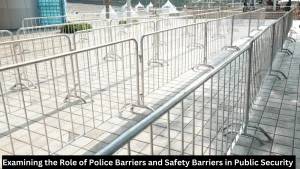
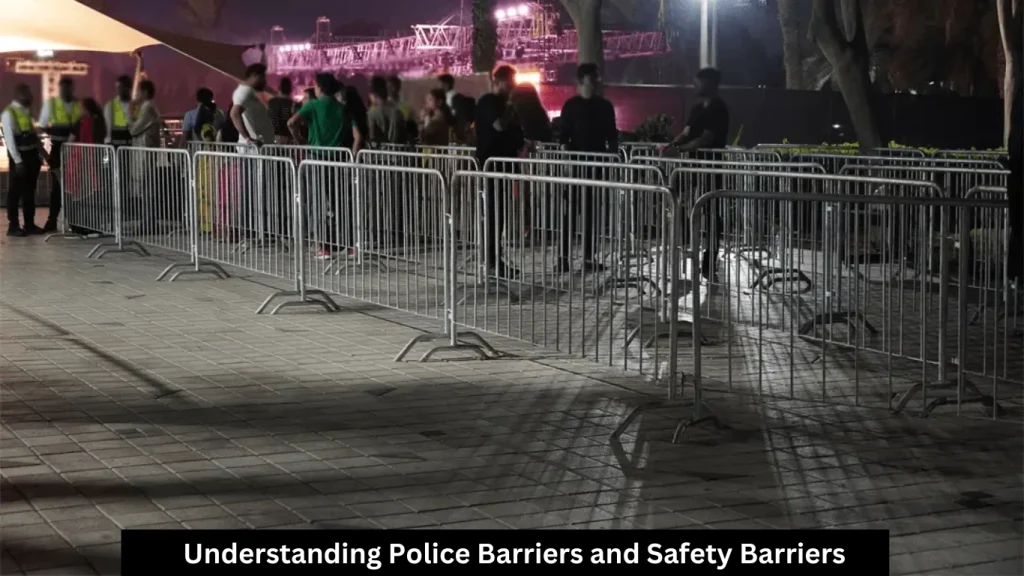
When discussing the role of police barriers and safety barriers, it’s crucial to differentiate between their intended purposes and the reality of their application. Police barriers, by definition, are meant to control crowds and maintain order during public events or demonstrations. However, this seemingly straightforward purpose often becomes muddled in practice. Critics argue that these barriers can sometimes be used more as tools of intimidation than for genuine crowd control.
Safety barriers, on the other hand, should prioritize public safety measures by preventing accidents and ensuring secure environments in high-risk areas. Yet, there is a growing concern that these structures are not always implemented with safety as the primary focus. In some instances, they seem to serve more as a means to manage liability rather than genuinely protecting individuals.
The distinction between police barriers and safety barriers becomes blurred when both are deployed without clear communication or consideration for those affected. It’s essential that authorities critically assess their strategies for using these tools—not just as mechanisms of control—but as integral components of public trust and safety measures. Only then can we ensure that they serve their true purpose rather than contributing to an atmosphere of tension and unease.
The Effectiveness of Police Barriers in Maintaining Order
When examining the efficacy of police barricades in maintaining order, it becomes apparent that their effectiveness is often overstated. While these barriers can serve as a physical deterrent, their role in crowd management techniques is frequently limited and sometimes counterproductive. The assumption that erecting a few metal fences will automatically ensure compliance and control overlooks the complex dynamics of crowd behavior.
In many instances, police barricades may merely act as a superficial measure rather than addressing underlying tensions or grievances within a crowd. Instead of fostering safety and order, they can escalate situations by creating an ‘us versus them’ mentality between law enforcement and the public. Furthermore, reliance on barricades as a primary strategy can lead to complacency, where more nuanced approaches to de-escalation and communication are neglected.
Ultimately, while police barriers might offer some level of immediate control in volatile scenarios, their long-term efficacy in maintaining order is questionable at best. A more holistic approach to crowd management—one that prioritizes engagement and understanding over mere physical separation—is essential for truly effective policing strategies.
Safety Concerns Associated with the Use of Physical Barriers
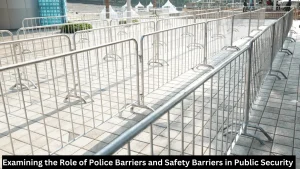
When it comes to managing large crowds, the deployment of physical barriers such as police barricades is a common practice. However, using these safety barriers raises significant concerns that cannot be overlooked. While intended to maintain order and ensure public safety, these structures can sometimes exacerbate situations rather than ameliorate them.
One major issue is the potential for physical harm. In densely packed areas, rigid barriers can become hazardous if crowds surge or panic ensues, leading to crushing injuries. Moreover, poorly placed barricades might obstruct emergency services from reaching those in need promptly.
Additionally, reliance on such crowd management techniques often reflects a reactive rather than proactive approach to public safety. Instead of addressing the root causes of disorderly behavior or implementing more humane crowd control strategies, authorities may default to erecting barriers as a quick fix.
Furthermore, imposing police barricades can escalate tensions within a crowd. Rather than fostering calm and cooperation, these structures might be perceived as oppressive or confrontational, potentially inciting further unrest.